

About Parmesan
Parmesan cheese (parmesan cheese) or Cow’s Milk Parmigiano-Reggiano The most commonly used substitute for cheese Romano, named after the province of Parma in Italy. This cheese is distinguished by its solid texture, as it is one of the driest and hardest cheeses. It should be noted that Parmesan cheese is easy to grate and is characterized by its strong taste and nutty flavor, in addition to its low salinity compared to other cheeses due to the method used in its preparation.
How is parmesan made?
Parmesan is formed mainly heterocyclic compounds (Heterocyclic compounds) contain nitrogen; as an alkylpyrazine compound (alkylpyrazines), These compounds are responsible for the distinctive flavor of this cheese, as they add Aroma of hazelnut, roasting and cocoa as well.
Parmesan cheese is made from a mixture of pasteurized whole milk and skimmed milk. After it is made, it is aged for at least two years, so that it has a lively, rich taste and a crunchy texture. Additionally, aging parmesan cheese helps kill off any harmful bacteria.It should be noted that the longer this type of cheese is stored and aged, the more its flavor is concentrated and pungent.
Nutritional Value of Parmesan
The following table shows the nutritional value of 100 grams of ParmesanSolid:
|
food product |
Quantity |
|
water |
30 milliliters |
|
calories |
392 calories |
|
protein |
35.8 grams |
|
Fats |
25 grams |
|
carbohydrates |
3.22 grams |
|
sugars |
0.11g |
|
calcium |
1180 milligrams |
|
Iron |
0.82 milligrams |
|
magnesium |
44 milligrams |
|
potassium |
92 milligrams |
|
Sodium |
1180 milligrams |
|
phosphorous |
694 milligrams |
|
zinc |
2.75 milligrams |
|
copper |
0.032 milligrams |
|
selenium |
22.5mcg |
|
manganese |
0.02 milligram |
|
Vitamin B1 |
0.039 milligram |
|
Vitamin B2 |
0.332 milligrams |
|
Vitamin B3 |
0.271 milligrams |
|
Vitamin B5 |
0.453 milligrams |
|
Vitamin B6 |
0.091 milligram |
|
folate |
7 micrograms |
|
choline |
15.4 milligrams |
|
Vitamin B12 |
1.2 mcg |
|
Vitamin A |
781 international units |
|
Vitamin E |
0.22 milligrams |
|
Vitamin K |
1.7mcg |
|
vitamin D |
19 international units |
The following table shows the nutritional value of 100 grams of grated parmesan:
|
nutritional content |
Quantity |
|
water |
22.6 milliliters |
|
calories |
420 calories |
|
protein |
28.4 grams |
|
Fats |
27.8 grams |
|
carbohydrates |
13.9 grams |
|
sugars |
0.07g |
|
calcium |
853 milligrams |
|
Iron |
0.49 milligrams |
|
magnesium |
34 milligrams |
|
potassium |
180 milligrams |
|
Sodium |
1800 milligrams |
|
phosphorous |
627 milligrams |
|
zinc |
4.2 milligrams |
|
copper |
0.04 milligrams |
|
selenium |
34.4 milligrams |
|
manganese |
0.071 milligram |
|
Vitamin B1 |
0.026 milligram |
|
Vitamin B2 |
0.358 milligrams |
|
Vitamin B3 |
0.08 milligrams |
|
Vitamin B5 |
0.45 milligrams |
|
Vitamin B6 |
0.081 milligram |
|
folate |
6 micrograms |
|
choline |
14.1 milligrams |
|
Vitamin B12 |
1.4 mcg |
|
Vitamin A |
974 international units |
|
Vitamin E |
0.53 milligrams |
|
Vitamin K |
1.7mcg |
|
vitamin D |
21 international units |
General Benefits of Parmesan
Parmesan has many benefits, including the following:
Suitable for people with lactose intolerance
Parmesan contains a very small amount of lactose sugar. Thus, people with lactose intolerance can eat this cheese in moderation.
Maintain bone health
Parmesan contains many essential elements for body and bone health. Calcium, phosphorus, And protein, which makes it an important food for bone health and for preventing osteoporosis, according toOne of the journals published in a journal Clinical cases in mineral and bone metabolism 2018AD, Being a rich source of protein, it is A suitable alternative for people who do not prefer to eat meat.
Low in sodium and fat
Parmesan contains less sodium and fat than other types of cheese.
gluten free
Parmesan can be classified as a gluten-free cheese because it is a natural cheese that is unlikely to contain gluten.
Source of many vitamins and minerals
Parmesan is a source For potassium, magnesium and vitamin A.
Disadvantages of Parmesan
Parmesan can cause certain health issues, such as:
Allergic reaction to casein allergy
It is also known as milk allergy, and sufferer suffers from allergy to casein protein present in milk and its products, and its symptoms often appear within minutes to hours after consumption of these products, and these symptoms include: chills, wheezing, itching, tingling, swelling in the mouth, shortness of breath, vomiting.
weight gain
Parmesan is high in calories, so it can lead to: Excess consumption leads to obesity As we know, obesity increases the risk of many health problems, such as heart attacks.
How to use parmesan?
being easily soluble, Parmesan cheese can be used in many ways, including:
- Grate it over pasta and all kinds of baked goods.
- Add them to the eggs.
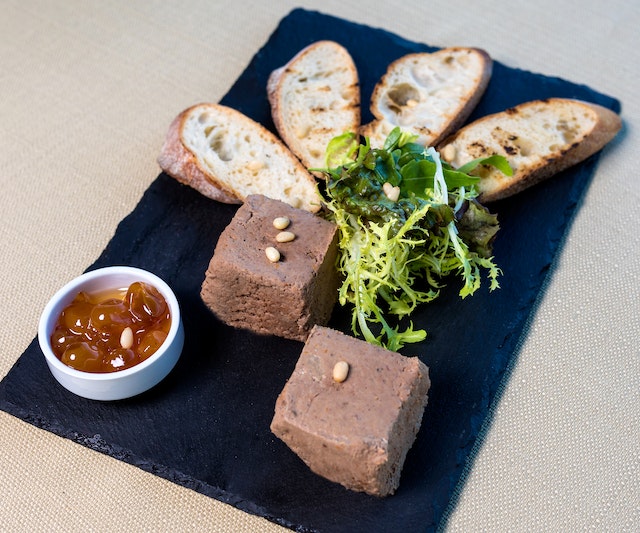
- Add it to an appetizer dish with fruits and nuts.
Article summary
Parmesan is made from cow’s milk, after which it is dried and aged, and it is one of the cheeses that has a high nutritional value and many health benefits, so it is used in the preparation of different dishes, with the importance of not overeating it, as this can cause damage to health, with the importance of ensuring that you do not have an allergy to this type of cheese.


0 Comments