
Brewer’s yeast
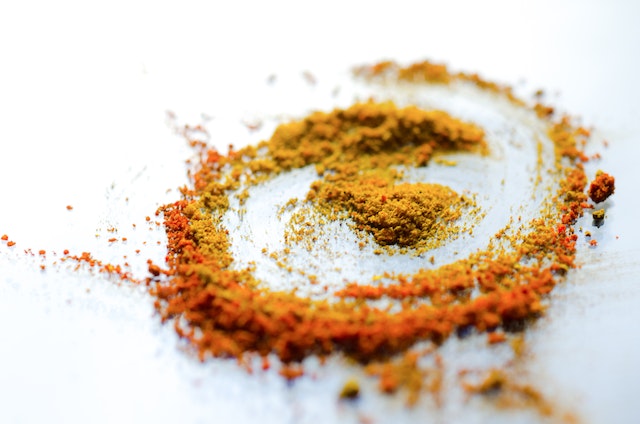
Brewer’s yeast differs from instant yeast used in the manufacture of bread and other products, as it is made from yeast fungi (Saccharomyces cerevisiae), which are single-celled fungi. It is also used as a food supplement because of some of the nutrients it contains, and is characterized by its bitter taste. It is available in the form of powder, liquid, tablets, or flakes. Brewer’s yeast powder can be taken by adding one to two tablespoons of it to water or juices. It is advised to be careful that brewer’s yeast differs from nutritional yeast.

Benefits of drinking brewer’s yeast
Brewer’s yeast contains microorganisms that contribute to maintaining the proper functioning of the digestive system. It is also a nutritional supplement rich in B vitamins. It can boost energy levels and the immune system in the body. It also provides many health benefits to the body, including the following:
- Brewer’s yeast is an effective substance to reduce the risk of diarrhea, and it can also be used to relieve some digestive disorders, including:
- Diarrhea caused by the use of antibiotics.
- Traveler’s diarrhea.
- Irritable bowel syndrome.
- Colitis caused by Clostridium difficile infection, or as it is called Clostridium difficile.
- Lactose intolerance.
- It can contribute to maintaining healthy hair, skin, eyes, and mouth.
- Contributes to enhancing the health of the nervous system and stimulating the immune system.
- Chromium in brewer’s yeast can help improve glucose tolerance, and thus regulate blood sugar levels in people with type 2 diabetes.
- Help reduce cholesterol levels in the blood.
- Eating yeast during breastfeeding can help relieve fatigue, due to the protein, iron, and B vitamins it contains.
- Some studies indicate that the chromium and B vitamins found in brewer’s yeast may help improve symptoms of depression and improve mood.
- Consuming brewer’s yeast in particular contributes; Which contain vitamins and minerals to reduce the symptoms associated with premenstrual syndrome (in English: Premenstrual syndrome).
- Eating a specific strain of brewer’s yeast helps; Oral Hansen CBS is credited with reducing acne, but it can cause flatulence.
The nutritional value of brewer’s yeast
The following table shows the nutrients available in two tablespoons, or the equivalent of 30 grams, of brewer’s yeast powder:
| food item | The nutritional quantity |
|---|---|
| Calories | 110 calories |
| proteins | 13.00 grams |
| Fats | 1.50 gr |
| carbohydrates | 13.00 grams |
| fiber | 6.0 grams |
| Sugar | 4.00 grams |
| Iron | 0.60 milligrams |
| Sodium | 25 milligrams |
| manganese | 0.300 milligrams |
| thiamine; | 0.300 milligrams |
| riboflavin | 0.900 milligrams |
| niacin | 5,700 milligrams |
| Vitamin B6 | 0.150 milligrams |
| Folic acid | 205 micrograms |
Brewer’s yeast damage and precautions for its use
The use of brewer’s yeast is safe for the health of most people if it is taken for a short period of time. As it was used safely for a period of 12 weeks at a dose ranging from 500 to 1000 milligrams per day, but it may cause side effects in some people. such as headaches, stomach disorders, and on the other hand, there is not enough information to prove the safety of its long-term use, and there are some cases in which caution is advised when consuming brewer’s yeast, and these cases include:
- Pregnancy and lactation: Where it is preferable to avoid consuming brewer’s yeast during pregnancy or lactation, as there is no information indicating whether or not eating it orally at this stage is safe for health.
- Yeast allergy: Eating brewer’s yeast can cause itching and bloating in people who are allergic to yeast.
- Crohn’s disease: People with Crohn’s disease are advised not to take brewer’s yeast. Where it can worsen the disease.
- diabetes: Where consuming brewer’s yeast containing chromium can reduce the level of sugar in the blood, so diabetics are advised to monitor sugar levels when taking these products with medicines. As it can cause a significant decrease in the level of sugar.
- HIV: People with a weakened immune system are advised to consult a doctor before taking brewer’s yeast supplements, as there are concerns that taking them could increase the risk of blood infections or what is called sepsis (in English: septicemia) in patients with cancer or AIDS. Or patients who take special medications to prevent rejection of transplanted organs in the body.
Drug interactions of brewer’s yeast
Brewer’s yeast can interact with some types of medications, which may cause some health problems, including:
- Depression medications: As brewer’s yeast contains tyramine, an increase in which in the body can lead to high blood pressure, but the human body is able to analyze this substance naturally in order to prevent its increase. It is worth noting that taking some depression medications leads to preventing the body from analysis of this substance, and therefore it can cause dangerously high blood pressure.
- Antifungals: Taking antifungal drugs with brewer’s yeast can reduce the effect of yeast; As these medicines reduce fungi outside or inside the body, and examples of them are; Fluconazole, terbinafine, and others.



0 Comments