

Studies on the benefits of gum arabic for the kidneys
Some scientific studies have indicated the health benefits that gum arabic may provide to the kidneys, but it should be noted that most of these studies have been conducted on animals, and therefore their results are not yet confirmed in humans, and there is still a need to conduct more research to confirm them, and we mention from these studies What follows:
Study on humans:
- A clinical study published in the International Journal of Nephrology in 2017, which included 36 patients with chronic kidney disease; Adding the equivalent of 10 to 40 grams of gum arabic on a daily basis to the diet of chronic kidney patients may Contributes to reducing some inflammatory indicators in the body, it was noted that it significantly reduced the levels of C-reactive protein (in English: C-reactive protein). It is believed that this may positively affect the morbidity and mortality rates in patients with chronic kidney disease.
Animal studies:
- The results of a study published in Cellular Physiology and Biochemistry in 2018, conducted on diabetic rats; indicates that gum arabic (in English: Gum Acacia) is considered a useful food factor in Reduce the progression of chronic kidney disease (English: Chronic Kidney Disease).
- The results of a study published in the journal Kidney Blood Pressure Research in 2012, which was conducted on diabetic rats, indicated that gum arabic may Helps reduce blood pressure and proteinuria.; That is, the presence of protein in the urine, and therefore researchers believe that it may be useful in the case of diabetic nephropathy (in English: Diabetic nephropathy).
- A study published in Naunyn-Schmiedeberg’s Arch Pharmacol in 2020, conducted on experimental mice with chronic kidney disease, showed that the use of gum arabic May reduce inflammation and oxidative stress in the duodenum (in English: Duodenum), and it may also reduce nitrous stress in the digestive system.
Despite the benefits that we mentioned of acacia gum, it is important to consult a doctor before starting to use it, or using any other type of natural product. This is to ensure that it is safe for each person.
How to use gum arabic
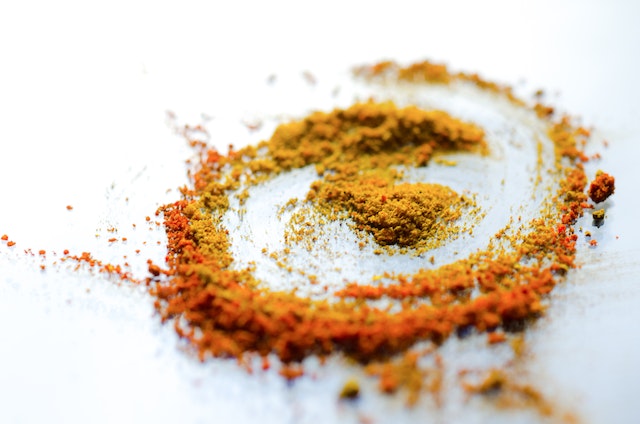
Arabic gum can be used in the form of a powder. It is possible to dissolve acacia gum in water and consume it as a drink. Some people may prefer acacia gum over other types of dietary fiber. This is because it is not harsh, not thick, and is characterized by its somewhat mild taste, in addition to the possibility of mixing its powder with juices and other drinks.
It should be noted that acacia gum in particular is non-toxic and is generally recognized as safe (GRAS) by the US Food and Drug Administration. However, it is necessary to consult a doctor before taking any form of acacia gum. This is to ensure that there is no allergic reaction or any drug interactions related to acacia gum.
To read more about how to use gum arabic, you can read the article How to drink and use gum arabic.
General benefits of gum arabic
Acacia gum is a substance with a brittle texture, generally odorless and tasteless, and it contains many nutrients that are beneficial to health, and some of its benefits are mentioned below:
- Contains sugars and acids.
- It is a source of some minerals, including calcium, and other minerals.
- Contains water soluble dietary fiber; Which is good for controlling cholesterol levels within the normal range, and may also contribute to maintaining a healthy weight, in addition to that it may be beneficial for cardiovascular health in general.
To read more about the benefits of gum arabic, you can read the article about the benefits and harms of gum arabic.
Damages of gum arabic
The degree of safety of gum arabic
The gum of acacia Mostly safe for most adults when taken in the amounts found in food, andLikely safe Consuming large quantities of it, such as those found in extracts.
Acacia gum has been used safely in an amount of up to 30 grams, for a period of 6 weeks, on a daily basis, but its use may lead to the appearance of some minor side effects in some people, such as gas, bloating, nausea, and diarrhea, and it should be noted that there is not enough information about it. no It is safe to be taken by pregnant and breastfeeding women, and therefore it is preferable to avoid consuming it during these two periods.
Cautions for the use of gum arabic
People who suffer from some health conditions are advised to be careful when using gum arabic, and we mention the following from these cases:
- Asthma patients: Asthma patients are among the groups that are sensitive to their use of gum arabic. This is because it contains pollen.
- Allergy sufferers: As people who suffer from allergies to some types of plants, such as rye and quellaja, may have an allergic reaction when they use gum arabic.
Drug interactions with gum arabic
Arabic gum may interfere with the function of a type of antibiotic to a large extent, which is amoxicillin (in English: Amoxicillin); As gum arabic may prevent the body from absorbing amoxicillin, and to prevent this interference; It is recommended to take gum arabic at least four hours before or after this antibiotic.
An overview of gum arabic
Arabic gum is considered; Or what is called acacia gum; One of the natural plant secretions, which is extracted from acacia trees that belong to the leguminous family (in English: Leguminosae family).
Acacia gum has been used since ancient times in baked goods, tools, and woodwork, and it has a long history since ancient civilizations such as the Egyptians and Australians. As these ancient tribes used acacia in a variety of ways, they used it in making sweets and many other uses, and the acacia gum is soluble in water and insoluble in alcohol. and the method of collection. It should be noted that it is sold commercially, either in powder or in its complete form, and it has many uses.



0 Comments